Vivint water sensor
Vivint water sensor: catch leaks and frozen pipes before they flood your home
A compact, battery-powered sensor watches the places water likes to escape. If it finds moisture, standing water or a dangerous drop in temperature, you hear about it right away.
- 24x7 Monitoring
- Home Automation
- One App mobile control
- Live Video
- FREE*Installation & One Month of Monitoring ServicePromo code: INSTALLOFFER
- $50FREE* Visa Gift CardPromo code: VISA50
- $100OFF* a Vivint Doorbell Camera ProPromo code: DOORBELL100
* With qualifying system purchase. Offer details
Independently owned authorized Vivint dealer, operated by Plondo. Not Vivint Smart Home, Inc.'s corporate site.
Quick answer
What does the Vivint water sensor do?
The Vivint water sensor is a small wireless device that detects leaks, excess moisture and standing water, and it also monitors for cold temperatures that could freeze pipes. When it senses a problem, it sends an alert to your Vivint Smart Hub and your phone through the Vivint app, and Vivint’s 24/7 monitoring team is notified too. It runs on a battery, so you can place it near any appliance or pipe that might leak.
Last reviewed by the Vivint Security editorial team.

What the Vivint water sensor watches for
Fast leak detection
The sensor notices water and excess moisture early, before a drip turns into ruined floors and walls.
Cold temperature alerts
Built-in temperature monitoring warns you about big drops that put pipes at risk of freezing and bursting.
Instant notifications
Alerts reach the Smart Hub and the Vivint app, so you know even when nobody is home to hear an alarm.
24/7 monitoring
Vivint’s support team receives the alert and specialists are ready to help.
Easy placement
It is wireless, compact and needs no wiring, so it fits behind appliances and under sinks.
Long battery life
One CR123A lithium battery lasts roughly 3 to 6 years, depending on how the sensor is used.
Smart water leak sensor
How the Vivint water sensor works
Water sensors are small devices that sit near spots prone to leaks. The Vivint water sensor checks for moisture and standing water, and when it finds either one it sounds an alarm and sends a signal to your Smart Hub. From there the alert goes to the Vivint app and to Vivint monitoring.
The key advantage over a plain battery alarm is that you do not have to be home. A loud beep in an empty basement helps no one. A notification on your phone gives you time to call a plumber, ask a neighbor to check, or shut off the main water valve.
- Detects water, moisture and standing water
- Monitors temperature to warn about freezing
- Alerts the Smart Hub, the Vivint app and monitoring
- Runs on a replaceable battery with no wiring

Flood protection
Vivint water leak detection for the spots that fail most
Vivint says one in four homes suffers thousands of dollars in water damage in a given year. Many of those losses start with a slow leak nobody sees. A sensor on the floor under the right appliance catches that leak in hours instead of weeks. That speed is the difference between wiping up a puddle and replacing a floor.
Vivint reviewed water loss claims data to rank where sensors help most, and a Vivint pro can tailor the plan to your house. The common spots below are a good place to start, but water can show up anywhere. A Vivint pro will walk your home with you and suggest where each sensor belongs.
- Near the sump pump in a basement
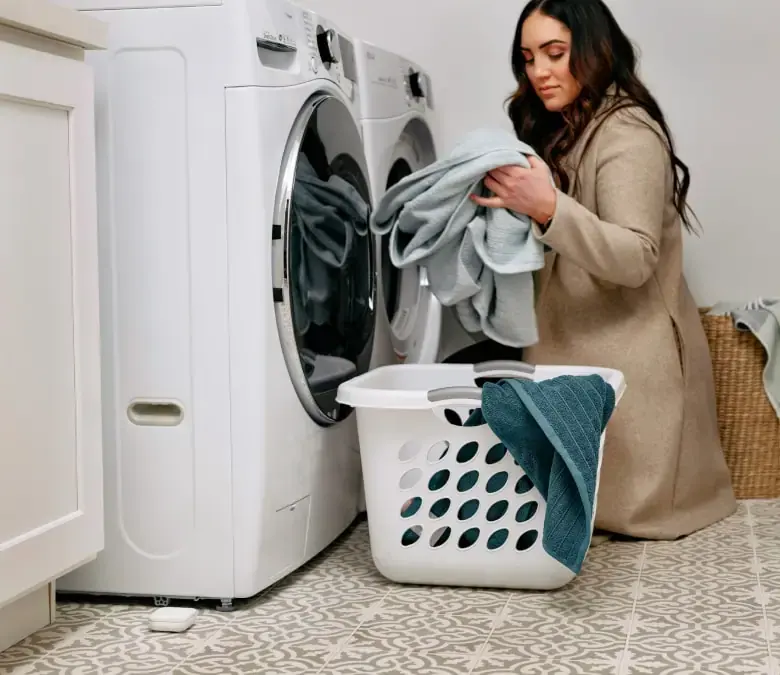
- Behind the washing machine
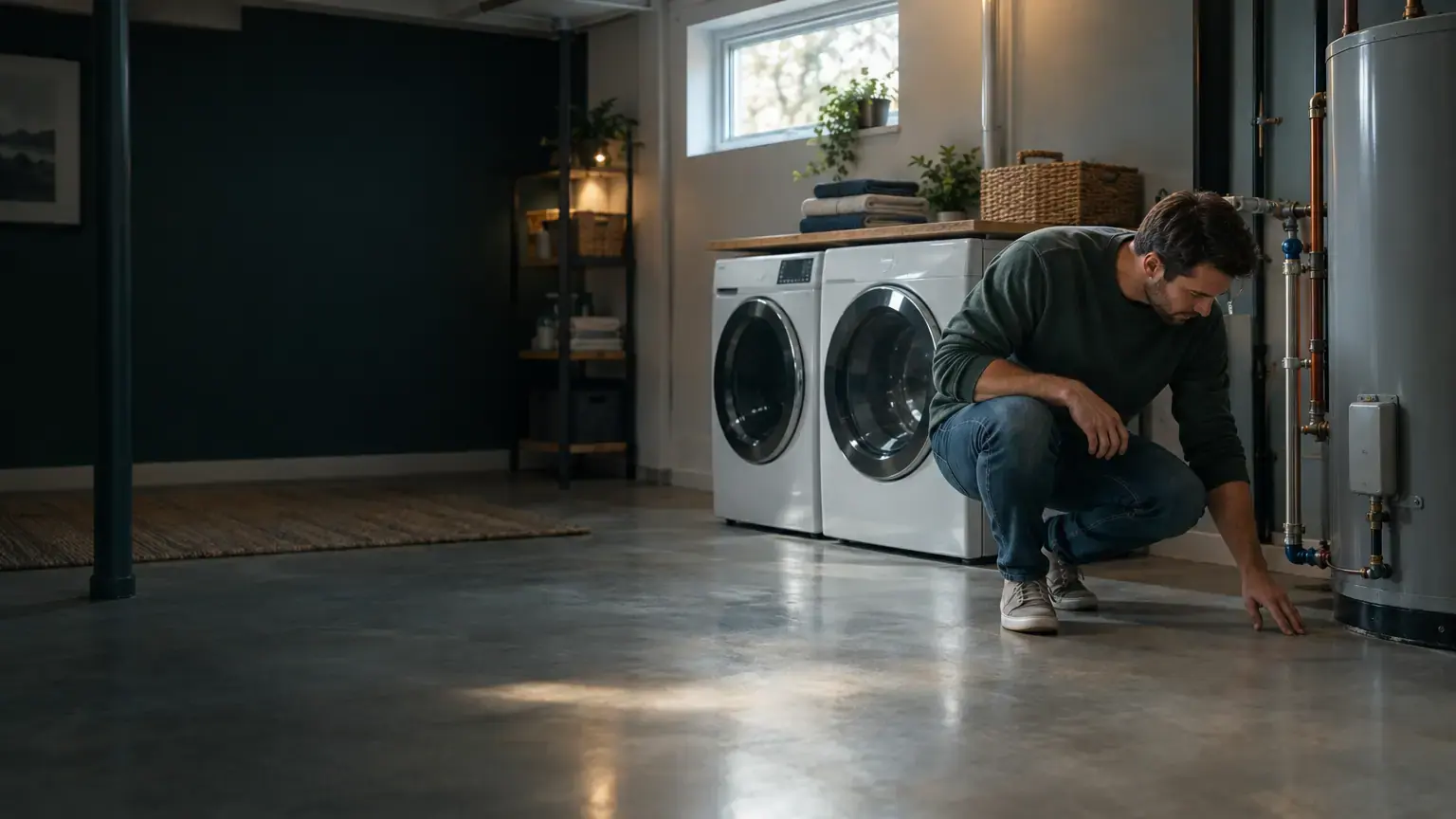
- Under the water heater
- Behind the toilet and under bathroom sinks
- Under the kitchen sink
- Behind the dishwasher and the refrigerator
- Under or near the AC condenser
Questions about Vivint Water Sensor? A Vivint expert can help.
Call 866.417.1540Cold weather
Vivint water sensor freeze alerts for pipes in cold snaps
A frozen pipe can split and flood a home once it thaws. The Vivint water sensor has temperature monitoring built in. If the air near a pipe drops sharply, it warns you so you have a chance to act before the pipe freezes and bursts. Burst pipes can release a lot of water in a short time, so early notice helps.
That is useful in garages, crawl spaces, basements and vacation homes where heat may be low. Vivint lists an operating range of -5°F to 113°F. Treat a freeze alert like an alarm: check the area, add heat if you can, and know where your main shutoff valve is. Check on vacant properties more often during cold snaps.
Know right away
Phone alerts and 24/7 monitoring for your water sensor
If a Vivint water sensor goes off, you are notified on your phone through the Vivint app, and the Smart Hub shows the alert at home. Vivint’s monitoring team receives the event as well, so a trained agent is part of the response. You can then decide whether to act yourself or ask a neighbor or plumber to look.
Monitoring is part of a Vivint system, and the water sensor shares it with your cameras, door sensors and smoke detectors. That means one app and one team for everything, instead of a separate leak gadget with its own account and its own alerts. Fewer apps also means fewer passwords and one place to check the health of your home.

Questions about Vivint Water Sensor? A Vivint expert can help.
Call 866.417.1540Battery and setup
Vivint water sensor battery, size and installation
The sensor measures 2.5 by 2.5 inches and about one inch deep, and uses a CR123A 3V lithium battery that Vivint rates for 3 to 6 years, depending on use. Because it is wireless and battery powered, placement is flexible, and it can sit on the floor right beside the appliance you want to watch.
A Vivint Smart Home Pro can connect the sensor to your system and help you choose locations during professional installation. For a low battery message, a sensor that keeps going off or a device that will not connect, existing customers should contact Vivint support at vivint.com. Support can also tell you whether a replacement is needed.
Is it worth it
Who should add a Vivint water sensor to their security system?
Homes with a basement, a finished lower level, a laundry room, an older water heater or a second home that sits empty are the clearest candidates. Renters and condo owners can benefit too, since a leak can spread to neighbors. Vacation homes are another strong fit, since nobody is around to notice a drip.
Vivint says water sensors may help lower home insurance premiums. Ask your insurance company what it offers, because discounts vary by provider and policy. Pricing depends on your equipment and plan, so call for a personalized quote. Many customers pair sensors with a smoke detector for broader protection.
Vivint water sensor tech specs
| Model | VS-FLD001-345 |
|---|---|
| Detects | Water, moisture and cold temperatures |
| Battery | CR123A 3V lithium, 3 to 6 years depending on usage |
| Frequency | 345 MHz wireless |
| Size | 2.5 in high × 2.5 in wide × 1 in deep |
| Operating temperature | From -5°F up to 113°F (-20°C up to 45°C) |
| Humidity | 5 to 95%, non-condensing |
| Color | White |
How to get a Vivint water sensor
- 01
Call for a free quote
Tell a Vivint expert where your home has water lines, appliances and past leaks.
- 02
Design your system
Add water sensors to your cameras, door sensors and smoke detectors to match your risks.
- 03
Professional installation
A Vivint Smart Home Pro connects each sensor to your system and helps you place it.
Protect your home from water damage.

Vivint Water Sensor FAQ
How does a Vivint water sensor work?
It sits near an appliance or pipe and checks for moisture, standing water and low temperatures. If it detects a problem, it sounds an alarm and alerts your Smart Hub, the Vivint app and Vivint’s monitoring team, so you hear about it even when you are away.
Where should I put a Vivint water sensor?
Common places are near a sump pump, behind the washing machine, under the water heater, behind toilets, under sinks and behind the dishwasher or refrigerator. A Vivint pro can recommend spots for your home during installation.
Does the Vivint water sensor detect freezing pipes?
It monitors temperature and warns you about extreme drops, which gives you time to act before pipes freeze and burst. It does not heat the pipes itself. Add heat or insulation where you can, and know where your main water shutoff is.
What battery does the Vivint water sensor use?
It uses one CR123A 3V lithium battery that Vivint rates for 3 to 6 years, depending on usage. For a low battery warning or help replacing it, existing customers should contact Vivint support at vivint.com.
Why does my Vivint water sensor keep going off?
It may be sensing real moisture from a slow leak, condensation or a damp spot. Check the area and dry the sensor first. If alerts continue with no water present, move it or contact Vivint support at vivint.com for troubleshooting.
Why is my Vivint water sensor flashing red?
A flashing light on a sensor usually reports its status, such as an alarm, a low battery or a connection problem. Check the Vivint app for the exact alert, and contact Vivint support at vivint.com if you cannot clear it.
Does the Vivint water sensor shut off my water?
No. It is a detector that alerts you and does not close a valve. When you get an alert, shut off your main water supply if there is a leak, and know where that valve is before you need it.
How much does the Vivint water sensor cost?
Pricing depends on how many sensors you add, your other equipment and your monitoring plan. Call an authorized Vivint dealer for a personalized quote, or read our Vivint cost and pricing guide for an overview.
Related Vivint products and services
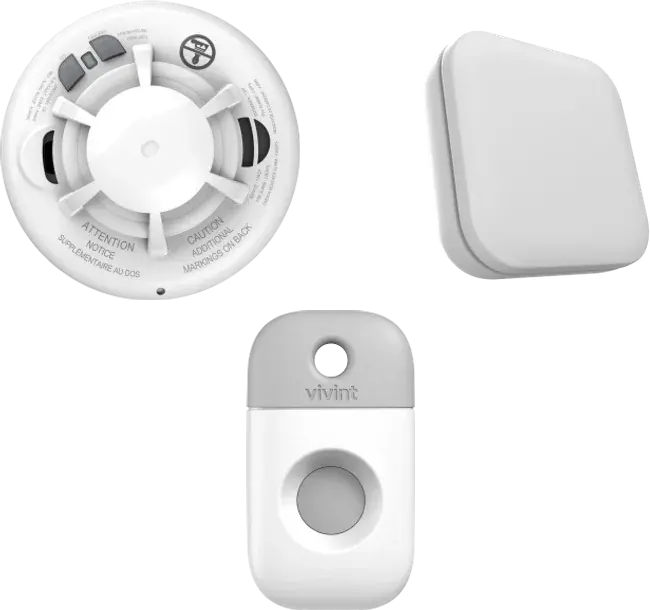 Safety AlarmsVivint smoke, carbon monoxide and water alarms monitored 24/7.
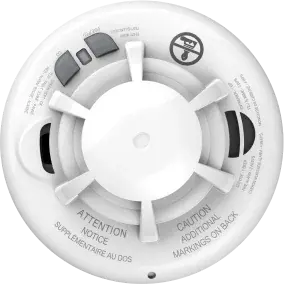 Smoke & CO DetectorVivint smoke and carbon monoxide detector with professional monitoring.
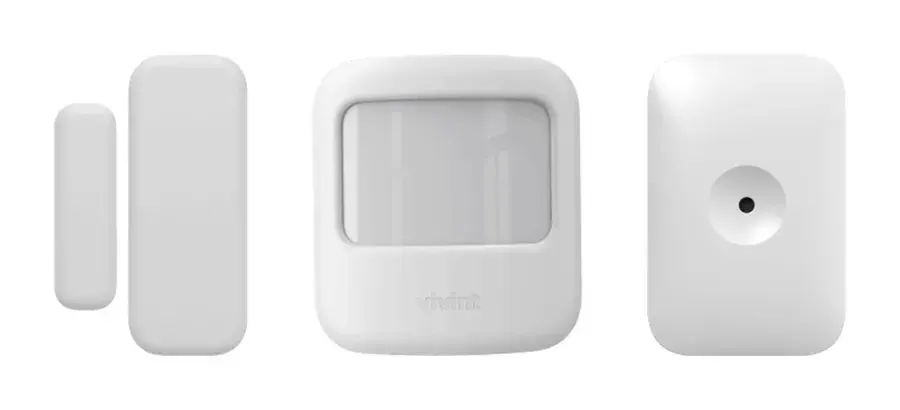 Security SensorsVivint security sensors for every door, window and room.
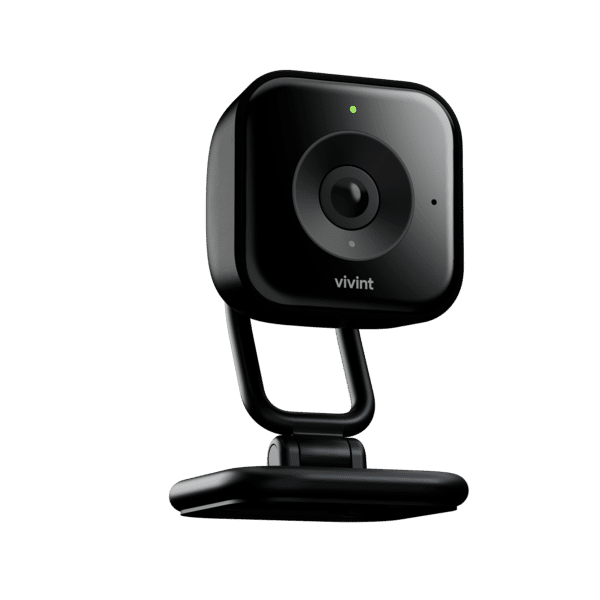 Indoor Camera ProVivint Indoor Camera Pro for watching kids, pets and rooms in HD.
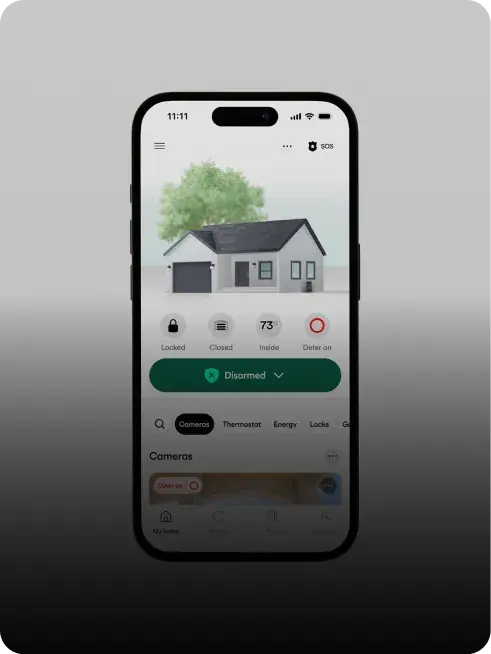 Vivint AppThe Vivint app: control your security system and smart home from anywhere.
 24/7 MonitoringVivint 24/7 professional home security monitoring.
 Professional InstallationVivint professional installation by a trained Smart Home Pro.
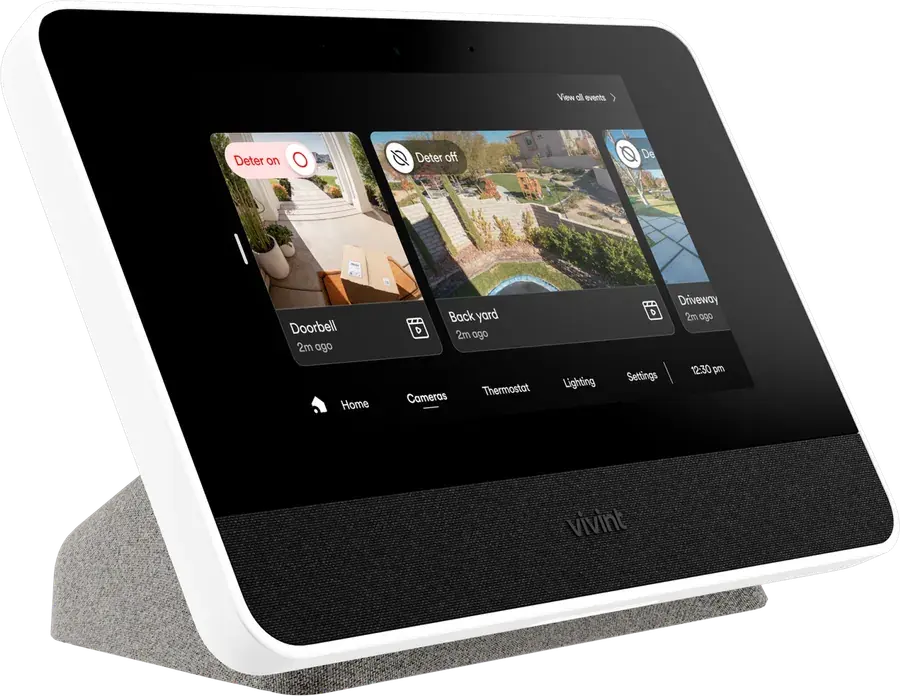 Smart HubVivint Smart Hub, the touchscreen control panel for your security system.