
Vivint Security Sensors
Vivint security sensors: protection for every door, window and room
Sensors are the quiet part of a Vivint home security system. They watch your doors, windows and rooms, and when one trips, your Smart Hub sounds the alarm and Vivint monitoring is alerted.
Independently owned authorized Vivint dealer, operated by Plondo. Not Vivint Smart Home, Inc.'s corporate site.
Quick answer
What security sensors does Vivint offer?
Vivint offers three main security sensors for protecting a home. Door and window sensors alert you when an entry opens, and a recessed version hides inside the door. The motion sensor detects movement in a room. The glass break sensor hears breaking glass. All are wireless, run on batteries and report to your Vivint Smart Hub, which alerts you and Vivint’s 24/7 monitoring team when your system is armed.
Last reviewed by the Vivint Security editorial team.
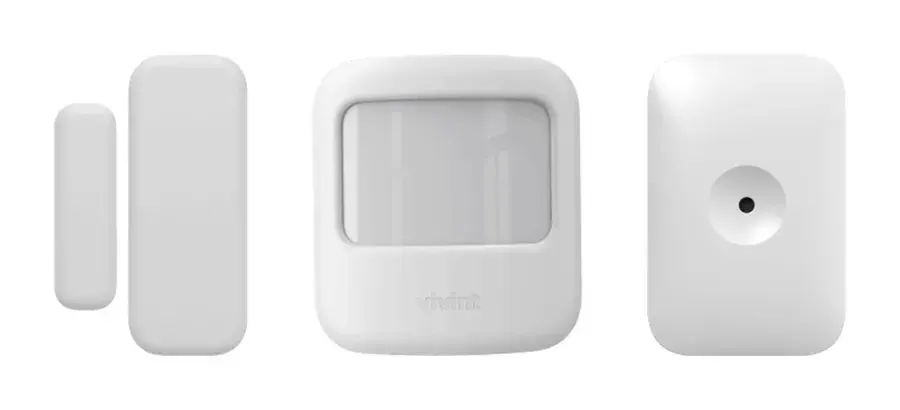
What Vivint security sensors do for your home
Every entry covered
Door and window sensors watch the places a burglar is most likely to use, and a recessed option hides inside the door.
Rooms watched too
A motion sensor covers a room with infrared detection, with settings that help ignore pets.
Breaking glass heard
A glass break sensor listens for the sound of a window being smashed, even when the window never opens.
Instant alerts
When a sensor trips on an armed system, the alarm sounds and you get a notification on your phone.
24/7 monitoring
Vivint’s monitoring team is notified of an alarm and can send help if you need it.
Wireless and battery powered
Sensors talk to the hub wirelessly, so a Vivint pro can place them where they work best without running wires.
Door and window sensors
Vivint door and window sensors: the first line of defense
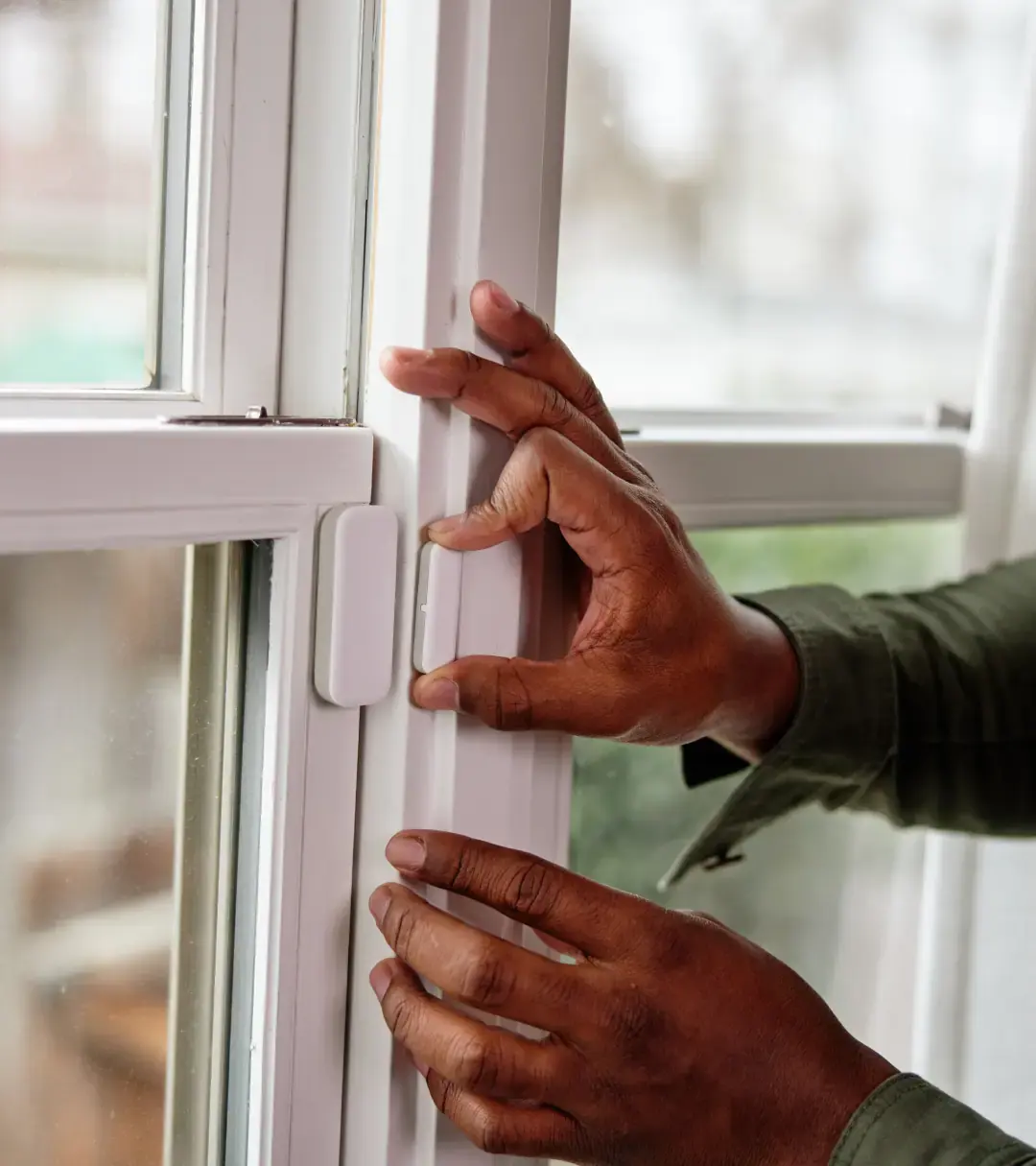
Doors and windows are the main ways into a home, so these sensors are the foundation of a Vivint security system. A small sensor and a magnet sit on the frame and the moving part. If they separate while the system is armed, the alarm trips and you are notified.
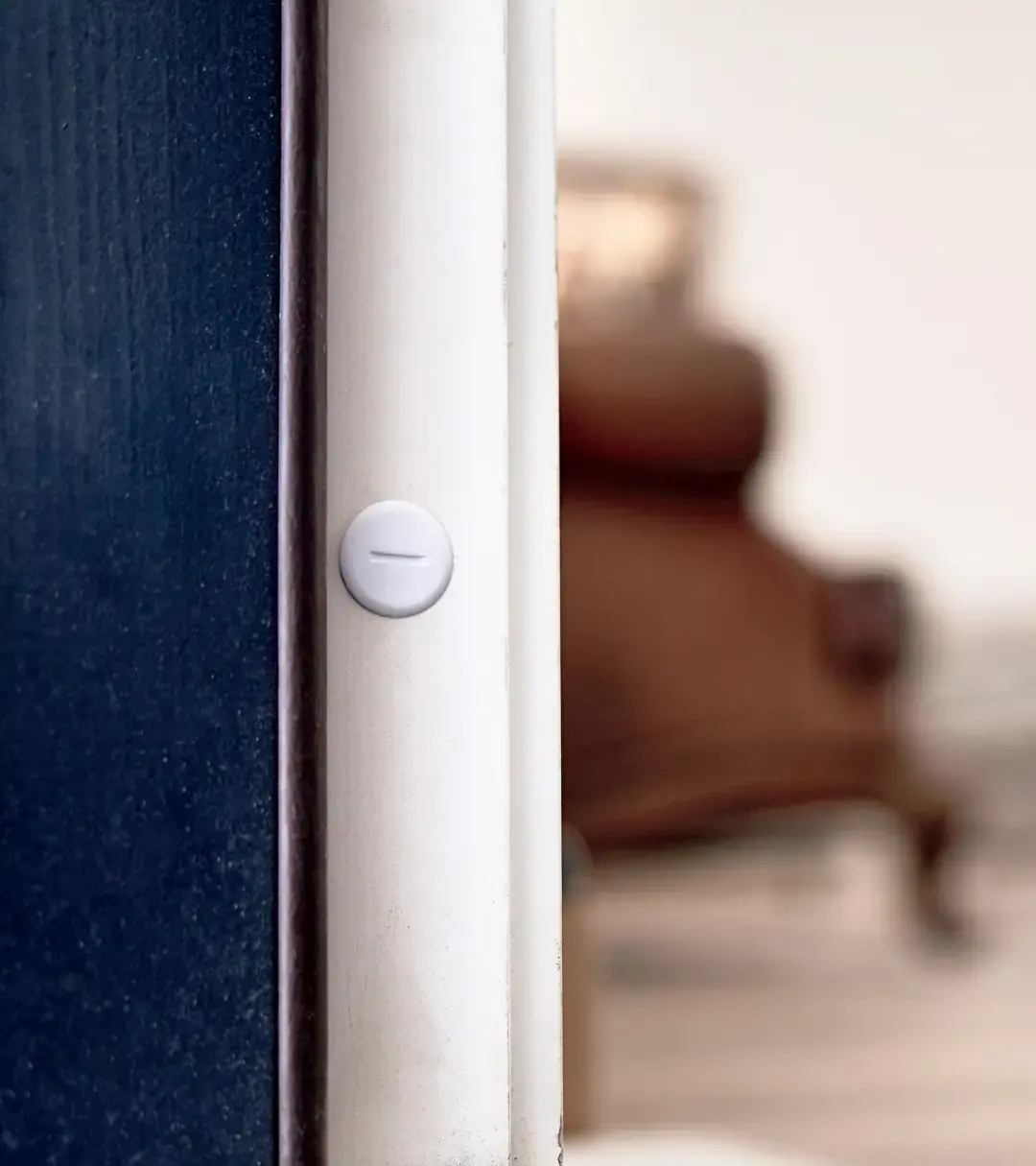
Vivint offers a surface-mounted Door and Window Sensor and a recessed Door Sensor that is installed inside the door and hidden from view. The same sensors can also guard cabinets and safes. See the full details on our Vivint door and window sensors page.
- Surface-mounted sensor for doors and windows
- Recessed sensor hidden inside the door
- Also useful on cabinets, safes and off-limits spaces
Motion sensor
The Vivint motion sensor: watch the rooms inside
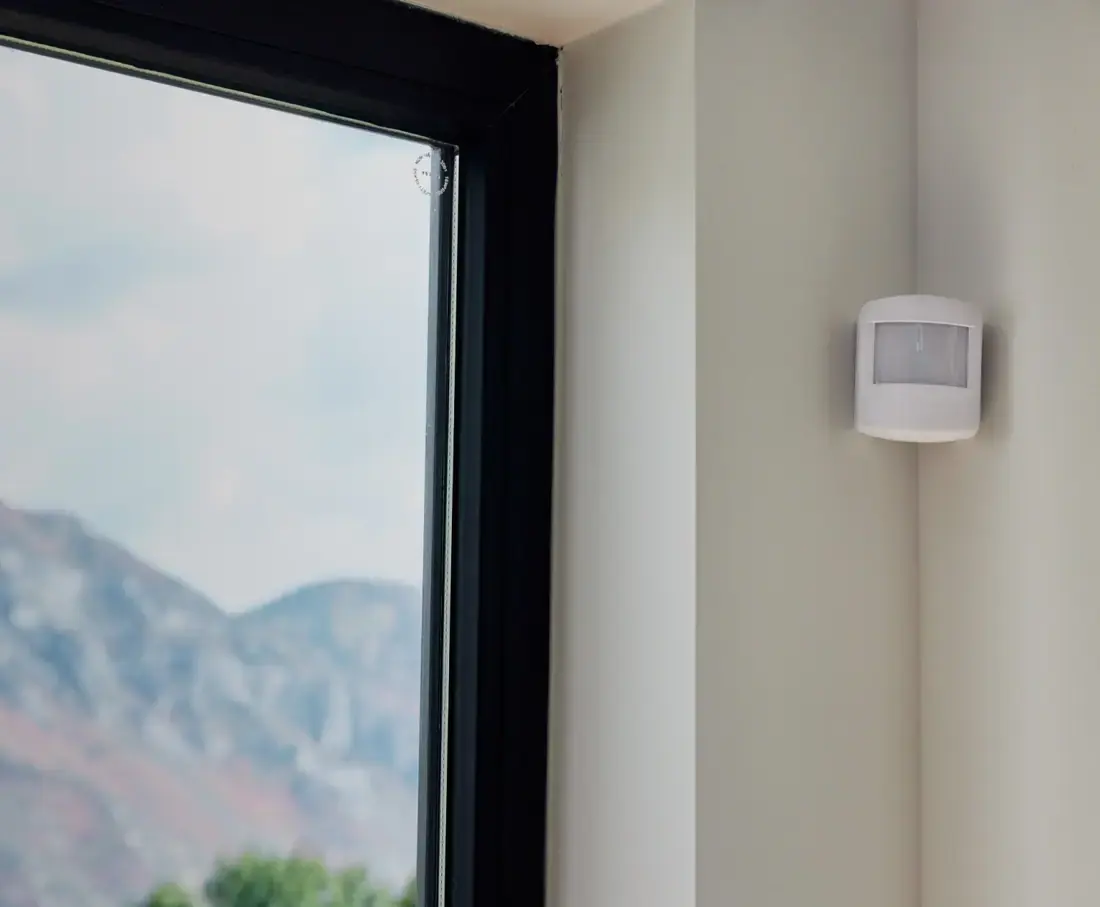
Door sensors guard the edges of your home. A Vivint motion sensor guards the space inside. It uses infrared technology to detect body heat, so it works in daylight and in the dark. When your system is armed and someone moves through its view, the alarm trips.
Motion sensors can also support daily routines. Vivint says they can work with the smart thermostat, lights and cameras to adjust the temperature or start recording. Learn more on our Vivint motion sensor page.
Questions about Vivint Security Sensors? A Vivint expert can help.
Call 866.417.1540Glass break sensor
The Vivint glass break sensor: hear a break-in before it happens
A window sensor only trips when the window opens. A burglar who smashes the glass can reach in without moving it. The Vivint glass break sensor listens for that sound and for the shock of the impact, then sets off the alarm and notifies Vivint monitoring.
Many homeowners pair it with door and window sensors for two layers of protection on the same room. The Vivint glass break sensor page explains range, sensitivity and pet considerations in more detail.
How they connect
How Vivint alarm sensors work with the Smart Hub and monitoring
Vivint security sensors are wireless and battery powered. Each one sends a signal to your Vivint Smart Hub. When the system is armed and a sensor trips, the hub sounds the siren, sends alerts to the Vivint app, and notifies Vivint’s 24/7 professional monitoring team.
From there, a monitoring agent can speak with you through the hub, confirm whether you need help and contact emergency responders. You can also cancel a false alarm quickly from the app or panel. Pair your sensors with a Vivint keypad to arm and disarm at any door.
Questions about Vivint Security Sensors? A Vivint expert can help.
Call 866.417.1540Building a system
Which Vivint sensors does a home security system need?
Vivint says its standard HomeProtect package includes a motion sensor and three door and window sensors, and customers can add more. HomeProtect Pro customers can also add a water sensor, glass break sensor and a smoke and carbon monoxide combo detector. Packages and offers change, so confirm what is included today.
A good starting point is a door sensor on every exterior door, window sensors on ground-floor windows, and a motion sensor where people pass through. Add glass break sensors for large windows. For fire and floods, see Vivint safety alarms and the Vivint water sensor. Call for a design based on your floor plan.
How to get Vivint security sensors
- 01
Call for a free quote
Tell a Vivint expert about your doors, windows and rooms and what you want to protect.
- 02
Design your system
Choose the sensors for each entry point and pair them with a Smart Hub, camera and keypad.
- 03
Professional installation
A Vivint Smart Home Pro places the sensors, tests each one and shows you how the system works.
Get Vivint security sensors for every entry point.

Vivint Security Sensors FAQ
What types of security sensors does Vivint have?
Vivint carries door and window sensors, a recessed door sensor, a motion sensor and a glass break sensor for home security. It also offers a water sensor and smoke and carbon monoxide detection for safety. All connect to your Vivint Smart Hub and are monitored around the clock.
How do Vivint door and window sensors work?
Each one has a contact sensor and a magnet. They sit next to each other when a door or window is closed. If the system is armed and the two separate, the sensor tells the hub, the alarm sounds and Vivint monitoring is alerted.
Do I need both door and window sensors and a glass break sensor?
They do different jobs. A door or window sensor trips when an entry opens. A glass break sensor trips when glass breaks, even if the window stays shut. Using both on a vulnerable window gives you two layers of protection.
How much do Vivint security sensors cost?
Cost depends on the sensors, the rest of your equipment and your monitoring plan. Call an authorized Vivint dealer for a personalized quote, or see Vivint cost and pricing for how system pricing works.
Are Vivint sensors wireless?
Yes. Vivint door and window, motion and glass break sensors are wireless and battery powered. They send signals to your Smart Hub, so installers can place them where they work best without running wires through your walls.
Why is my Vivint sensor not working?
A sensor that shows as offline or low on battery may need a new battery or a check of its position. Existing customers should check the Vivint app, then contact Vivint support at vivint.com for help with troubleshooting or service.
What batteries do Vivint sensors use?
Vivint lists a CR2032 battery for the door and window sensor and two CR123A batteries for the motion and glass break sensors. Battery life depends on use. For battery replacement help, existing customers should contact Vivint support at vivint.com.
How many Vivint sensors do I need?
It depends on your floor plan. A common starting point is one sensor on every exterior door, one on each ground-floor window, and a motion sensor in a main path through the house. Add glass break sensors for large windows. A Vivint expert can map it out with you.
Can I install Vivint sensors myself?
Vivint recommends professional installation for speed and accuracy, and recessed door sensors require it. A Vivint Smart Home Pro places each sensor, tests it with your system and shows you how it works.
Related Vivint products and services
 Door & Window SensorsVivint door and window sensors that alert you the moment an entry opens.
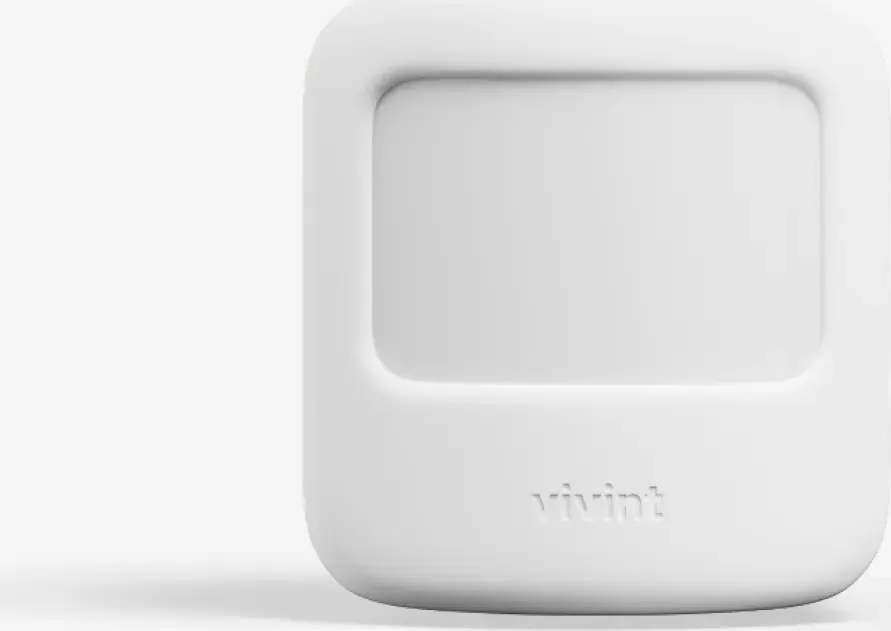 Motion SensorVivint motion sensor that detects movement inside your home.
 Glass Break SensorVivint glass break sensor that hears shattering glass and triggers the alarm.
 Water SensorVivint water sensor that warns you about leaks and freezing pipes.
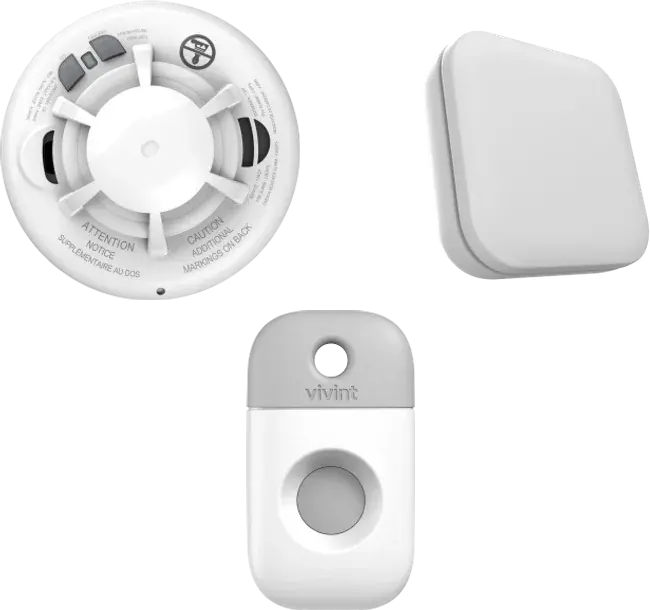 Safety AlarmsVivint smoke, carbon monoxide and water alarms monitored 24/7.
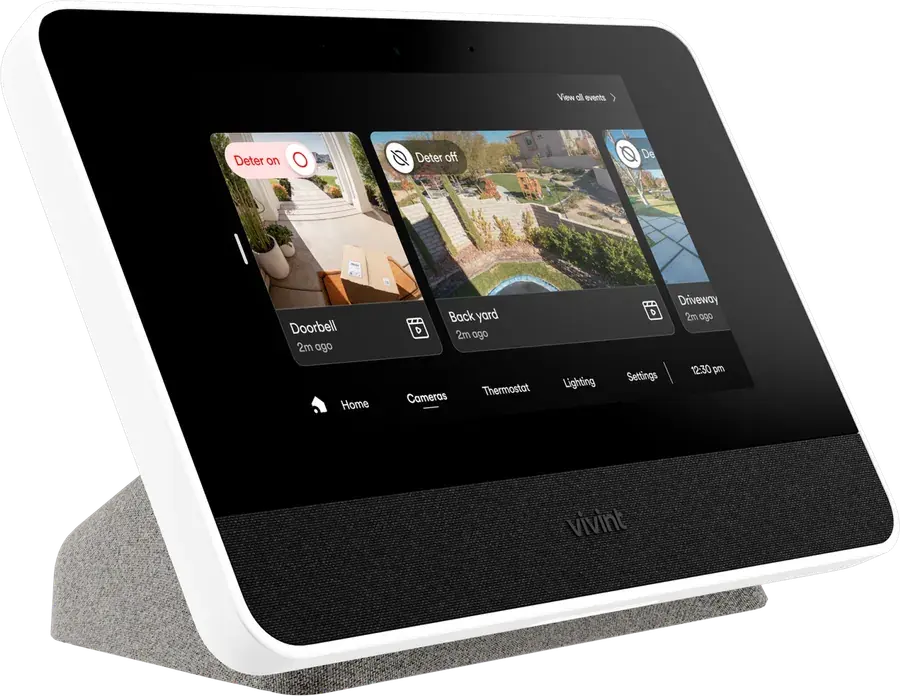 Smart HubVivint Smart Hub, the touchscreen control panel for your security system.
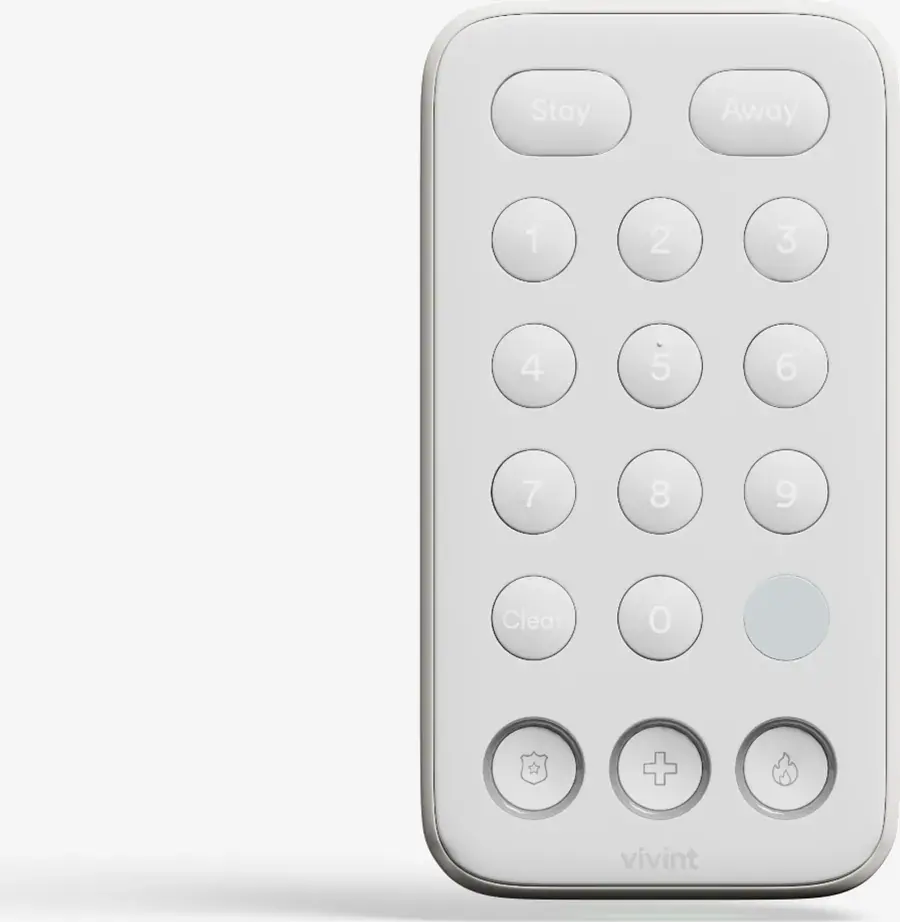 KeypadVivint keypad to arm and disarm your system at any door.
 24/7 MonitoringVivint 24/7 professional home security monitoring.