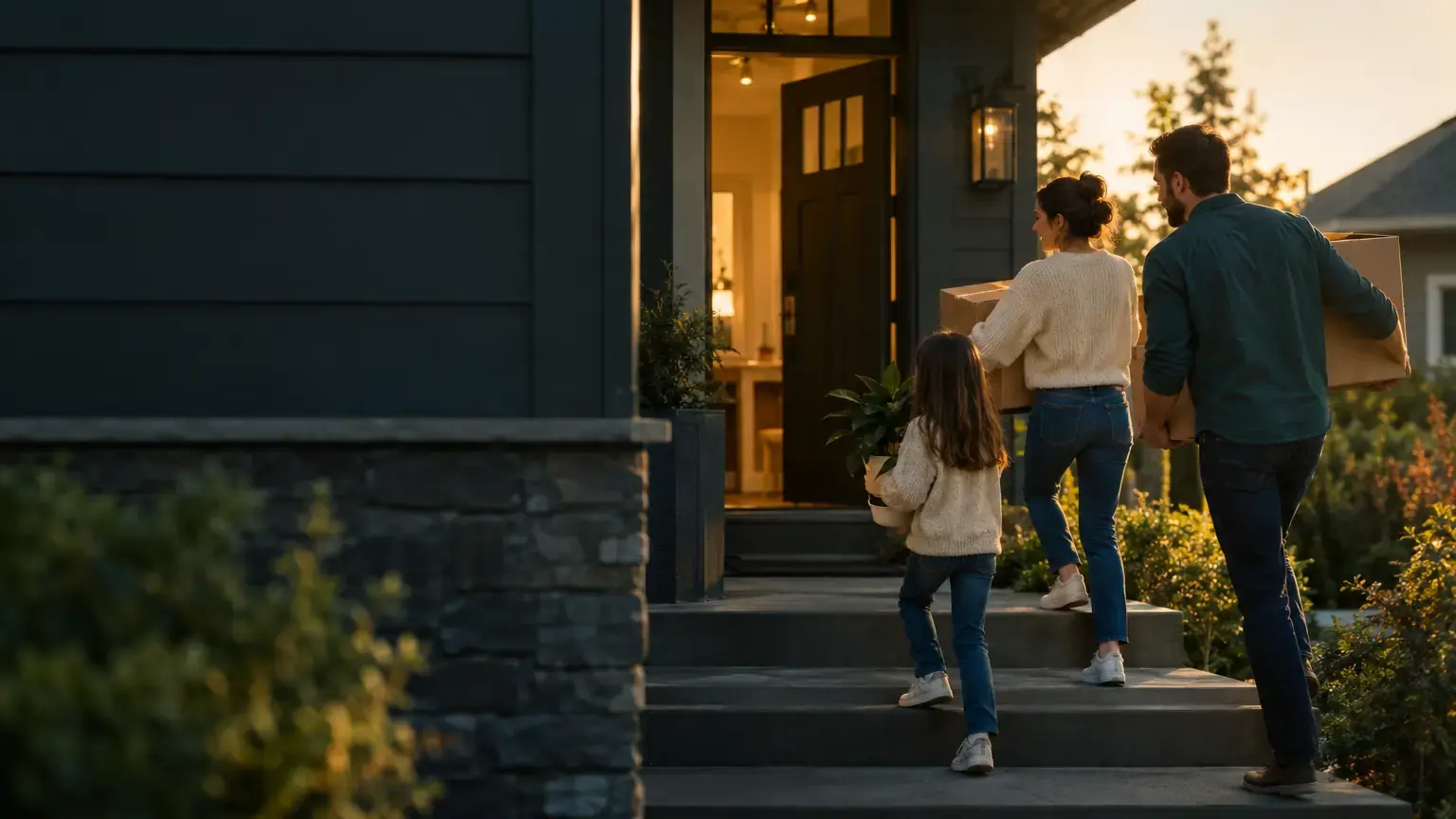
From Fairmount porches to Alliance cul-de-sacs
Vivint Home Security in Fort Worth, TX
Fort Worth runs from century-old bungalows near Magnolia Avenue to new subdivisions spreading north toward Alliance, and FEMA rates Tarrant County Very High for tornadoes, hail, winter weather and ice storms. A good system here watches driveways and porches, keeps reaching the monitoring center over cellular when storms cut power or internet, and warns you about leaking pipes before water spreads across the floor.
Independently owned authorized Vivint dealer, operated by Plondo. Not Vivint Smart Home, Inc.'s corporate site.
Quick answer
What is the best home security setup for a Fort Worth home?
For most Fort Worth homes, start with a Vivint Smart Hub, Doorbell Camera Pro, an Outdoor Camera Pro on the driveway, door and window sensors, a smart lock and water sensors near pipes. Add smoke and carbon monoxide detectors for winter heating season. Vivint Smart Home Pros install everything. Vivint provides 24/7 professional monitoring, and the hub's cellular connection and backup battery help it keep reaching the monitoring center when ice storms or spring tornadoes knock out power. Pricing and offers vary by address, so call for a free quote.
Last reviewed by the Vivint Security editorial team.
Fort Worth at a glance
| Data point | Value | Source |
|---|---|---|
| Population | 963,194U.S. Census Bureau, ACS 5-year 2024 | |
| Owner-occupied homes | 57.0%U.S. Census Bureau, ACS 5-year 2024 | |
| Single-family detached homes | 64.8%U.S. Census Bureau, ACS 5-year 2024 | |
| Homes in buildings with 10+ units | 19.3%U.S. Census Bureau, ACS 5-year 2024 | |
| Median year homes were built | 1994U.S. Census Bureau, ACS 5-year 2024 | |
| Median home value | $303,000U.S. Census Bureau, ACS 5-year 2024 | |
| Housing vacancy rate | 8.5%U.S. Census Bureau, ACS 5-year 2024 | |
| Overall natural hazard risk (county) | Relatively HighFEMA National Risk Index, Tarrant County | |
| Highest-rated hazards (county) | Tornado (Very High); Hail (Very High); Winter weather (Very High); Ice storm (Very High)FEMA National Risk Index, Tarrant County |
What threatens Fort Worth homes
Storms, freezes and everyday theft
FEMA's National Risk Index puts Tarrant County's overall natural hazard risk at Relatively High. Four hazards are each rated Very High: tornadoes, hail, winter weather and ice storms. Fort Worth has lived through all of them, from the tornado that shattered windows in downtown towers to the deep freeze of Winter Storm Uri, when burst pipes flooded homes across the city.
When a tornado warning sends your family to an interior room, the Vivint app keeps everyone connected to the house. Each person's phone can get system alerts. Outdoor cameras record the yard and roofline, so you can look at the property from shelter or from work before you drive home. If the storm knocks out power, the Vivint Smart Hub keeps reaching the monitoring center over cellular.
Hail is a fact of North Texas springs. Mount Outdoor Camera Pro units under eaves and soffits, not on open fence posts. That way they keep watching after a storm that dents cars and strips shingles. After hail, roofing crews and door knockers often work their way through neighborhoods. A Doorbell Camera Pro lets you see and speak with whoever is at the door without opening it.
Winter weather and ice storms are the quiet threat. A hard freeze can split a pipe in an exterior wall or attic. Water sensors alert you the moment water appears, and a Vivint Smart Thermostat shows you when indoor temperatures fall. You get the warning even if icy roads have you stuck across town.
Day to day, the concerns depend on where you live. Fairmount and Near Southside porches face the street and see steady foot traffic. Cars parked in apartment lots along the freeways and in driveways across the northern subdivisions sit in plain view overnight. On TCU game days, strangers park along residential streets. Doorbell Camera Pro, Outdoor Camera Pro with Smart Deter, Spotlight Pro and garage door control each cover one of these weak points.
Fort Worth housing
How Fort Worth homes shape the right system
Fort Worth has 963,194 residents and keeps growing outward. The median home was built in 1994, so many houses are brick-front, one or two stories, built on a slab, often with an attached garage that opens straight into the kitchen or laundry room. Single-family detached homes make up 64.8% of housing. Another 19.3% of homes are in buildings with 10+ units, including apartment communities along the freeways, near downtown and around the Medical District.
About 57.0% of homes are owner-occupied, so a large share of residents rent. The median home value is $303,000, and the housing vacancy rate is 8.5%. Both numbers matter for security. Houses sitting empty between tenants or sales can draw trespassers, and renters need equipment that avoids drilling and rewiring. Here is how the right setup changes across a few familiar parts of the city.
Fairmount and the Near Southside
This area has Craftsman bungalows and prairie-style homes with deep front porches, original wood windows and detached garages off alleys. Wireless door and window sensors protect old sashes without damaging trim. Glass break sensors cover large front windows. Point an Outdoor Camera Pro at the alley and garage, since that rear approach can't be seen from the street. Busy nights along Magnolia Avenue bring foot traffic, so a Doorbell Camera Pro on the porch is worth it.
Arlington Heights, Ridglea and the West Side
Expect mid-century ranches and older brick homes on established lots with mature trees, many near the Cultural District and Camp Bowie Boulevard. Trees block camera views, so plan camera placement around them. A Spotlight Pro over the driveway lights up dark side yards. Renovations are common in this part of town. Smart locks help families who share access with dog walkers, house cleaners or contractors.
Far North Fort Worth near Alliance
Newer subdivisions such as Heritage and Presidio West house families commuting to Alliance, the logistics centers and Dallas. Many homes have front-facing garages, and porches see a steady stream of deliveries. Lead with Doorbell Camera Pro and an Outdoor Camera Pro covering the driveway. Add garage door control, so a garage left open in the morning can be closed from the office. Check HOA rules on camera and sign placement.
TCU, Berkeley and Bluebonnet Hills
Around the university you'll find student rentals, duplexes and well-kept older homes. Tenants turn over often, and parked cars line the streets on game days. Renters can start with wireless pieces like the Vivint Smart Hub, door sensors and an Indoor Camera Pro. Ask on your call what can move with you when the lease ends. Owners renting to students can use smart locks to change access codes between tenants without rekeying.
Questions about Vivint Home Security in Fort Worth? A Vivint expert can help.
Call 866.417.1540Where to start
A starting Vivint setup for a typical Fort Worth home
This setup fits a brick home with an attached garage and a front porch that sees regular deliveries, the kind found across much of the city. We adjust it with you on the call, and your Smart Home Pro fine-tunes placement at installation.
- Vivint Smart Hub: the touchscreen control panel with cellular connectivity and a backup battery, so alarms can still reach the monitoring center when ice storms or tornadoes cut power and internet.
- Doorbell Camera Pro: package detection and two-way talk for porch deliveries, plus a safe way to talk with door knockers after a storm.
- Outdoor Camera Pro with Smart Deter: mounted under the eave to cover the driveway, where it helps deter vehicle break-ins and open-garage theft. The covered spot also keeps it out of the worst hail.
- Spotlight Pro: lights up dark side yards and the alleys behind older homes in neighborhoods like Fairmount.
- Door and window sensors: on every ground-floor entry, including the door from the garage into the house.
- Motion sensors and glass break sensors: for living areas with large windows.
- Smart lock on the front door: let in family, sitters or repair crews from the Vivint app.
- Garage door control: check and close an attached garage from anywhere.
- Water sensors and a Vivint Smart Thermostat: water sensors go under sinks, by the water heater and near pipes in exterior walls, and the thermostat helps you catch freeze danger.
- Smoke and carbon monoxide detectors: important in homes with gas furnaces, fireplaces or attached garages.
- Playback DVR: continuous recording, so you can review the whole timeline after a storm or incident.
How it works
Installation, monitoring and the Vivint app in Fort Worth
Our company is an authorized Vivint dealer that is independently owned, not Vivint corporate. Our part is the planning. On a call, we work through your Fort Worth home with you, whether it is a Fairmount bungalow with an alley garage or a new build near Alliance, and price a system for your exact address. Vivint's own Smart Home Pros do the installation. On a typical brick slab home, they cover the door from the attached garage, tuck cameras under eaves away from hail, pair the smart lock and garage opener, and set up the Vivint app on every phone in the house.
After setup, Vivint's monitoring center keeps watch 24/7 for break-ins, smoke, carbon monoxide and the leaks a Fort Worth freeze can cause. If an alarm goes off, an agent tries to confirm it and then contacts the appropriate emergency services under local protocol. On a spring night when a tornado warning knocks out power across Tarrant County, the hub's cellular link and backup battery help keep that line to the monitoring center open.
The Vivint app lets you arm and disarm, view live camera feeds, lock doors, adjust the thermostat and close the garage from anywhere. That helps on long commutes to Dallas, on work trips out of DFW Airport and for families tied to Naval Air Station Fort Worth Joint Reserve Base.
Before your system goes live, check with the City of Fort Worth on alarm permit or registration requirements for your address. Rules for apartments and for homes in nearby Tarrant County cities can differ, so confirm them for your exact location. Availability, pricing and current offers also vary by address. A call is the quickest way to confirm all of it.
Questions about Vivint Home Security in Fort Worth? A Vivint expert can help.
Call 866.417.1540Built for North Texas weather
Sensors for freezes, storms and outages
In Fort Worth, a mild January week can end in an ice storm. Your system should tell you what is happening inside the home itself, not just whether someone broke in.
Put water sensors near the water heater, washer, kitchen sink and any pipe in an exterior wall. They alert you as soon as a freeze-split pipe starts leaking. The Vivint Smart Thermostat lets you keep heat running while you are away and spot an indoor temperature drop if the furnace quits during a cold snap.
During winter outages, families often turn to fireplaces, space heaters and generators. That is when monitored smoke and carbon monoxide detectors matter most. Alarms can still reach the monitoring center with the power off, thanks to the hub's cellular connection and backup battery.
Talk to a Vivint expert right now.

Vivint Home Security in Fort Worth FAQ
I rent in Fort Worth. Can I still get a Vivint system?
Yes. With so many Fort Worth households renting, from TCU-area duplexes to apartments near downtown, wireless Vivint equipment is a common fit. Door and window sensors, an Indoor Camera Pro and the Vivint Smart Hub can be set up without rewiring. Check your lease and talk with your landlord before mounting outdoor cameras or replacing a lock. Ask on your call what options exist if you move, and confirm what works for your address.
Does Vivint work in Fort Worth apartments?
It does. In an apartment, focus on a doorbell or indoor camera, entry sensors and smart locks where the property allows them. Complexes near downtown, the Medical District and the freeways often have shared hallways and parking lots, so keep coverage on your door and the space inside. Ask your property manager about rules for doorbell cameras and lock changes before installation. Your Smart Home Pro can suggest placements that respect those rules.
My HOA has rules about exterior changes. Will cameras and signs be a problem?
HOAs in master-planned subdivisions like Heritage and Presidio West set their own rules on exterior changes and yard signs. Read your covenants or ask the HOA before installation. Smart Home Pros can mount cameras under eaves and soffits. That usually looks cleaner and also shields the cameras from hail. If yard signs are restricted, ask whether window decals are allowed.
What happens to my system during an ice storm or tornado power outage?
The Vivint Smart Hub includes a backup battery and communicates over cellular, so it can keep reaching the monitoring center when power and home internet go down. Battery life depends on your equipment and usage. During long outages, monitored smoke and carbon monoxide detectors are especially valuable, since many households run generators or space heaters. If you have left the house, the Vivint app still lets you check on it.
Can Vivint help protect my home from frozen pipes?
Yes. Place water sensors near the water heater, under sinks and close to pipes in exterior walls. They alert your phone as soon as they detect water. The Vivint Smart Thermostat lets you watch indoor temperature and adjust heat remotely. Together they give you early warning during hard freezes like Winter Storm Uri. That gives you time to shut off the water main or call a plumber before a small leak becomes major damage.
How should I set up my system before a vacation or long work trip?
Arm the system in the Vivint app. Set the thermostat to protect pipes in winter or limit heat buildup in summer. Turn on package alerts from your Doorbell Camera Pro. Smart locks let you give a neighbor or pet sitter a temporary code. Garage door control lets you confirm the garage is closed once you are on your way to DFW Airport. Recorded clips let you review anything that happens while you are gone.
I just bought new construction in North Fort Worth. When should I install?
Soon after closing is ideal, before furniture and window treatments make placement harder. New subdivisions near Alliance see heavy contractor and delivery traffic, and empty or newly occupied homes draw attention. Wireless Vivint equipment works well in new builds. Smart Home Pros can plan camera angles for your driveway, porch and backyard. Check HOA guidelines first, then call to confirm availability and offers for your new address.
Does Fort Worth require an alarm permit?
Many Texas cities require a permit or registration for monitored alarm systems. Rules can differ between Fort Worth and nearby Tarrant County cities like Arlington. Check with the City of Fort Worth for current requirements at your address before your system goes live. Keep your registration and contact information current. We can walk you through what to ask when you call.
What if I move to another Fort Worth neighborhood?
Moves within the city are common, whether from a starter home near Alliance to the West Side or from an apartment into a first house. A Ridglea ranch with mature trees needs different camera angles than a new build with a front-facing garage. Call before your move to review your options for service at the new address, what to add and which offers apply there.
Vivint products for homes in Fort Worth
 Home Security SystemsProfessionally installed Vivint home security systems with 24/7 monitoring.
 Security CamerasVivint indoor, outdoor and doorbell security cameras with smart deterrence.
 Doorbell Camera ProVivint Doorbell Camera Pro with package protection and two-way talk.
- Outdoor Camera ProVivint Outdoor Camera Pro with Smart Deter and night vision.
 24/7 MonitoringVivint 24/7 professional home security monitoring.
- Vivint Cost and PricingWhat Vivint costs: monitoring plans, equipment and offers.