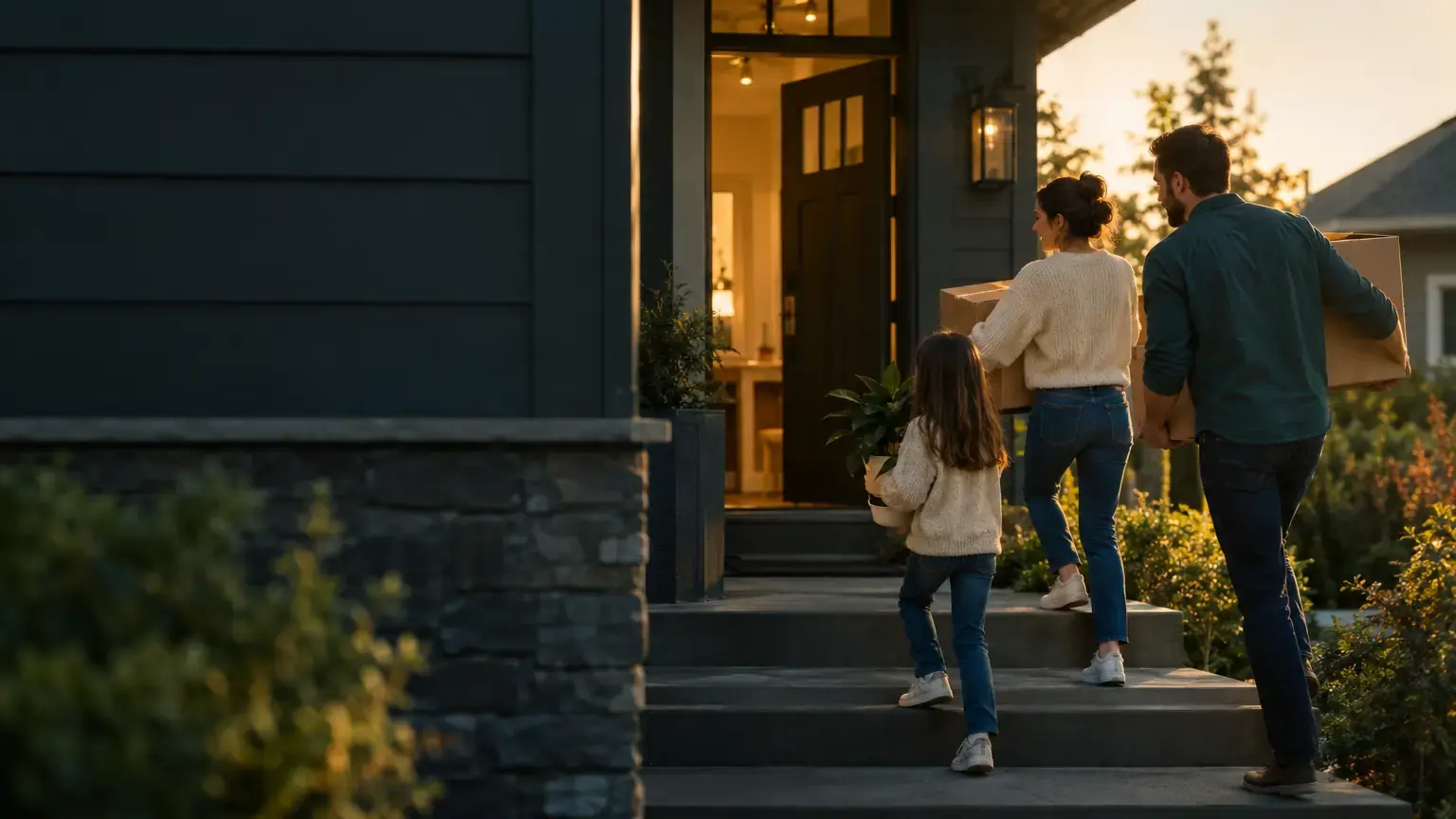
From Brookside porches to Northland cul-de-sacs
Vivint Home Security in Kansas City, MO
Kansas City homes deal with tornado sirens and spring hail, and many are older houses with basements, back doors and detached garages that need their own coverage. A Vivint system here should watch every entry, warn you about smoke, carbon monoxide and water, and keep reporting through many storm outages that knock out power or internet.
Independently owned authorized Vivint dealer, operated by Plondo. Not Vivint Smart Home, Inc.'s corporate site.
Quick answer
What is the best way to set up Vivint home security in Kansas City, MO?
Start with sensors on every exterior door, including basement and garage entries, plus a Doorbell Camera Pro and an Outdoor Camera Pro covering the driveway or alley. Add smoke and carbon monoxide detectors and a water sensor near the sump pump, since FEMA rates Jackson County Very High for tornado and hail risk and Relatively High for inland flooding and winter weather. Vivint installs the system and provides 24/7 professional monitoring over a cellular connection. Call to confirm pricing and availability for your address.
Last reviewed by the Vivint Security editorial team.
Kansas City at a glance
| Data point | Value | Source |
|---|---|---|
| Population | 510,612U.S. Census Bureau, ACS 5-year 2024 | |
| Owner-occupied homes | 55.4%U.S. Census Bureau, ACS 5-year 2024 | |
| Single-family detached homes | 61.5%U.S. Census Bureau, ACS 5-year 2024 | |
| Homes in buildings with 10+ units | 20.6%U.S. Census Bureau, ACS 5-year 2024 | |
| Median year homes were built | 1969U.S. Census Bureau, ACS 5-year 2024 | |
| Median home value | $242,900U.S. Census Bureau, ACS 5-year 2024 | |
| Housing vacancy rate | 9.5%U.S. Census Bureau, ACS 5-year 2024 | |
| Overall natural hazard risk (county) | Relatively HighFEMA National Risk Index, Jackson County | |
| Highest-rated hazards (county) | Tornado (Very High); Hail (Very High); Inland flooding (Relatively High); Winter weather (Relatively High)FEMA National Risk Index, Jackson County |
What threatens homes here
Storms, flooding and everyday security worries in Kansas City
FEMA's National Risk Index rates Jackson County's overall natural hazard risk as Relatively High. Jackson County holds most of the city, while Northland homes sit in Clay and Platte counties. Two Jackson County hazards are rated Very High: tornadoes and hail. Inland flooding and winter weather are both rated Relatively High. In practice that means spring nights spent listening for sirens, hail that dents cars parked on the street, creeks like Brush Creek and the Blue River rising after heavy rain, and ice storms that bring down tree limbs and power lines.
A security system cannot stop a storm, but it can keep you informed around one. The Vivint Smart Hub reports to monitoring over cellular, so the system keeps working if a storm takes out your home internet, and its battery backup rides through short power outages. Water sensors near the sump pit, water heater and basement floor drains alert your phone when water shows up, which matters in a city with so many basements. Smoke and carbon monoxide detectors are monitored around the clock, which is important when families run generators or space heaters after an ice storm.
Around town, the common worries are packages left on porches, cars parked on the street or in driveways, and tools or bikes stored in detached garages and sheds off the alley. A Doorbell Camera Pro watches the front step and lets you speak to visitors from your phone. Outdoor Camera Pro units with Smart Deter can notice someone lingering near a car or garage and respond with a light and tone to help discourage them. Garage door control lets you confirm the door is closed after you leave for work or a game at Arrowhead.
Housing and neighborhoods
How Kansas City homes shape the system
Kansas City has a population of 510,612, and its housing is older than many visitors expect. The median home was built in 1969, and many central neighborhoods are far older than that. About 61.5% of homes are single-family detached houses, and 20.6% are in buildings with ten or more units, concentrated downtown, in Midtown and around the Plaza. Owners occupy 55.4% of homes, so a large share of residents rent and need equipment that installs without major changes.
The median home value is $242,900, and the housing vacancy rate is 9.5%. On some blocks a vacant house next door means fewer neighbors watching, which makes cameras on the side yard and back of the home more valuable. Here is how setups usually differ across the city.
Midtown, Hyde Park and Westport
These neighborhoods are known for Kansas City Shirtwaist houses, brick foursquares and big front porches, often with basements, wood windows and back stairs. Put door sensors on the front, back and basement doors, glass break sensors in rooms with large old windows, and a Doorbell Camera Pro on the porch. Westport nightlife brings late foot traffic, so an Outdoor Camera Pro over the back door or parking pad is worth adding.
Brookside and Waldo
Brookside has many Tudor and colonial homes on tree-lined streets, while Waldo is full of bungalows and small brick houses, many with detached garages. Cover the garage separately with a sensor and an Outdoor Camera Pro or Spotlight Pro, since it sits out of sight from the kitchen. Smart locks help with the side doors families use every day, and the Trolley Track Trail behind some homes is another reason to watch the back yard.
The Northland
North of the Missouri River, much of Kansas City is ranches, split-levels and newer two-story homes in subdivisions, with attached garages and HOA rules about exterior changes. Focus on the door from the garage into the house, garage door control, and a doorbell camera that fits HOA guidelines. Newer homes near Shoal Creek and along the outer highways often benefit from a Vivint Smart Thermostat and water sensors in finished basements.
Downtown, Crossroads and River Market
Lofts and apartments dominate here, many in converted warehouses with tall windows and shared entries. A compact setup works best: a door sensor on the unit entry, motion sensors, an Indoor Camera Pro, and a smart lock if your building allows it. Wireless equipment needs little or no drilling into old brick and can move with you when your lease ends.
Questions about Vivint Home Security in Kansas City? A Vivint expert can help.
Call 866.417.1540Where to start
A starting Vivint setup for a typical Kansas City home
Many Kansas City houses have a front porch, a back or side door, a basement and a garage, either attached or out back. This starting package covers those points and the county's top weather risks. Your Smart Home Pro adjusts it for your actual floor plan.
- Vivint Smart Hub: the touchscreen control panel, with cellular communication and battery backup so the system keeps reporting through many storm outages.
- Door and window sensors on every exterior door, including basement and garage entries, which are common weak spots in older homes.
- Doorbell Camera Pro at the front door to see deliveries and visitors and discourage porch theft.
- Outdoor Camera Pro with Smart Deter covering the driveway, alley or detached garage.
- Motion sensors in main hallways and glass break sensors near large original windows in older houses.
- Smoke and carbon monoxide detectors on each level with professional monitoring around the clock through furnace season and generator use after storms.
- Water sensors by the sump pump, water heater and washer, since FEMA rates inland flooding Relatively High in Jackson County and basement seepage is a real concern.
- Smart locks and garage door control so you can lock up and check the garage from the Vivint app, whether you are at work downtown or at a gate at KCI.
How it works
Installation, monitoring and the Vivint app in Kansas City
A call with us starts with your actual house. Does the basement door on your Hyde Park foursquare need a sensor? Should a camera face the alley behind your Waldo bungalow? Which current offers apply at your address? As an independently owned authorized Vivint dealer, we help you shape that plan. Installation is handled by Vivint's own technicians, called Smart Home Pros, who mount the sensors and cameras, pair everything with the Smart Hub and walk you through the app on install day.
Professional monitoring from Vivint runs around the clock once your system is active. When an alarm triggers, monitoring agents work to verify it and then contact emergency services following local protocol. Response times depend on local agencies, so no one can promise a specific arrival time. Cellular communication means the alarm signal still goes out if your internet or landline is down, which can happen after an ice storm or severe thunderstorm.
Kansas City may require an alarm permit or registration for monitored systems, and rules can change. Before activation, check with the city or the Kansas City Police Department about current requirements. Your Smart Home Pro can explain how false alarm prevention features work.
Picture a few ordinary Kansas City moments. You disarm the system from your desk so a dog walker can get into your Brookside house. You pull up Playback DVR footage after a neighbor mentions someone checking car doors along the alley. You lock the back door and close the garage from a tailgate lot at the Truman Sports Complex, or turn the heat up on the drive home from the Lake of the Ozarks. The Vivint app puts all of that on one screen.
Questions about Vivint Home Security in Kansas City? A Vivint expert can help.
Call 866.417.1540Built for this climate
Getting your home ready for Kansas City weather
Each of Jackson County's top-rated hazards hits in its own season. Spring brings tornado watches and hail, heavy rain can push Brush Creek and the Blue River up quickly, and winter brings ice storms and hard cold snaps. Your system can help you catch problems early in each one.
Water sensors are the first line of defense in basements. Place them by the sump pump, floor drains and water heater so you get an alert the moment water appears, even if you are away. In winter, the Vivint Smart Thermostat helps keep the house warm enough to protect pipes, and you can check temperatures from the app during a cold snap. Monitored smoke and carbon monoxide detectors cover furnace season and the generators and heaters many people use when ice storms cut power. After a hailstorm, cameras let you check the outside of your home from wherever you rode it out.
Talk to a Vivint expert right now.

Vivint Home Security in Kansas City FAQ
I rent in Kansas City. Can I still get Vivint?
Yes, in many cases. Vivint equipment is wireless, so sensors, cameras and the Smart Hub install with little or no drilling, which suits renters in Midtown apartments or Waldo duplexes. Check your lease and ask your landlord before replacing locks or mounting outdoor cameras. When you move, the equipment can usually come with you. Call us to talk through what fits your rental and what offers apply to your address.
Does Vivint work in a downtown loft or apartment?
Yes. Lofts in the Crossroads, River Market and downtown usually need a smaller system: a sensor on the unit door, motion sensors, an Indoor Camera Pro and smoke and carbon monoxide detectors. Large warehouse windows may call for glass break sensors. Building rules vary on doorbell cameras and smart locks in shared hallways, so check with management first. Cellular communication means you do not depend on the building's internet.
My Northland HOA has rules about exterior changes. Will cameras be a problem?
Usually not, but it is smart to check your HOA guidelines first. Many Northland subdivisions allow doorbell cameras and small outdoor cameras, though some have rules about mounting locations or visible wiring. Vivint cameras are compact, and your Smart Home Pro can place them neatly under eaves or near existing lights. If your HOA requires approval, get it before your install date so nothing has to be moved later.
What happens to my system during a tornado warning or power outage?
The Vivint Smart Hub has a battery backup and communicates over cellular, so it keeps monitoring through many outages and internet failures. Smoke, carbon monoxide and water sensors keep reporting, and you can check cameras and alerts from the Vivint app on your phone. A security system does not replace a weather radio or your basement shelter plan, so follow local warnings and take cover when sirens sound.
How can Vivint help when we travel out of Kansas City?
Before a trip out of KCI or a weekend at the lake, you can arm the system, lock smart locks and confirm the garage is closed from the Vivint app. Outdoor cameras with Smart Deter watch the driveway and porch, and the Doorbell Camera Pro lets you answer the door remotely. Water sensors and the Vivint Smart Thermostat help you catch a sump pump failure or heating problem while the house sits empty.
I am building a new home in Kansas City. When should I add Vivint?
It helps to plan before move-in, especially in newer Northland or south Kansas City subdivisions. Wireless equipment means you do not need special wiring, but knowing where doorbells, outlets and outdoor lights are lets your Smart Home Pro plan clean camera placement. Many people schedule installation soon after closing so the home is protected while they move in. Call to confirm availability and timing for your address.
Do I need an alarm permit in Kansas City?
Kansas City may require an alarm permit or registration for monitored alarm systems, and the details can change. Check with the city or the Kansas City Police Department before your system goes live so you know the current rules. Your Smart Home Pro can also show you how to avoid false alarms, such as setting entry delays and using the app to disarm before you open the door.
Can I take my Vivint system if I move within the Kansas City area?
Often, yes. Whether you are moving from a Brookside Tudor to a Northland ranch or from a Crossroads loft to a house in Waldo, much of your Vivint equipment can move with you. The new home may need extra sensors or cameras for a detached garage, basement or different layout. Call us before your move so we can review your account and plan the setup for the new address.
Vivint products for homes in Kansas City
 Home Security SystemsProfessionally installed Vivint home security systems with 24/7 monitoring.
 Security CamerasVivint indoor, outdoor and doorbell security cameras with smart deterrence.
 Doorbell Camera ProVivint Doorbell Camera Pro with package protection and two-way talk.
- Outdoor Camera ProVivint Outdoor Camera Pro with Smart Deter and night vision.
 24/7 MonitoringVivint 24/7 professional home security monitoring.
- Vivint Cost and PricingWhat Vivint costs: monitoring plans, equipment and offers.